

Last updated: November 3, 2026
Banff National Park is the park most people picture when they picture the Canadian Rockies: a mountain town, two famous turquoise lakes, glaciers, elk on the lawns, and a gondola above it all. This is a general visitor guide to Banff, for any season: how to get there, what the park pass costs, how the Moraine Lake shuttle actually works, what to do, where to stay, and when to come.
This guide covers the Town of Banff, the village of Lake Louise, and the side trips people add from there, including Canmore and the Icefields Parkway. Prices, dates and seasons were checked against Parks Canada, the Town of Banff, Banff and Lake Louise Tourism, Roam Transit, or the operator that runs the thing, in October 2026. Coming in ski season instead? We have a separate guide for that: Banff in Winter: Everything You Need to Know.
Current note, fall 2026: the Johnston Canyon trail and its main parking lot are closed for rock slope work, with Parks Canada scheduling a reopening in December 2026. The Upper Falls and Ink Pots can still be reached by the longer Moose Meadows trail. Check Parks Canada bulletins before you plan a canyon visit.
On This Page
- Getting There and Getting Around
- Before You Go: Park Pass and Basics
- Wildlife and Bear Safety
- Be a Responsible Visitor
- Moraine Lake and Lake Louise
- Things to Do in and Around Banff Town
- Hiking in Banff
- Banff Through the Seasons
- Where to Stay and Camping
- Festivals and Events Through the Year
- Sample Itineraries
- Where to Get More Help
- Frequently Asked Questions
Quick Facts
Where: Town of Banff, Alberta, inside Banff National Park, about 130 km west of Calgary on the Trans-Canada Highway
Park: Banff National Park, Canada’s oldest national park (established 1885), 6,641 square km, run by Parks Canada
Park pass: Required for everyone stopping in the park. Daily pass $12.25 per adult, valid until 4 PM the day after purchase. Youth 17 and under are free.
Town elevation: About 1,400 m. Lake Louise village is higher, about 1,540 m.
Busiest months: July and August for hiking and the lakes, late December to March for skiing. June has the longest days, about 16.5 hours of daylight.
Nearest airport: Calgary International Airport (YYC), about a 90 minute drive in good conditions
Good to know
- You cannot drive to Moraine Lake. The road is closed to personal vehicles all year, and the Parks Canada shuttle needs a reservation, which can sell out weeks ahead in summer.
- Lake Louise lakeshore parking costs $42 per vehicle per day in the May to October season and the lot can fill by sunrise. The shuttle or Roam is the calmer option.
- Keep 30 m from elk, deer, moose and sheep, and 100 m from bears, wolves, coyotes and cougars. Carry bear spray on every hike.
- Mountain weather changes fast in every season. A July afternoon can bring a thunderstorm or wet snow at trail level.
- The On-It bus from Calgary did not operate in 2026. Calgary visitors without a car use the airport shuttles listed below.
- Dogs must be on a leash everywhere in the national park.
Books on Banff

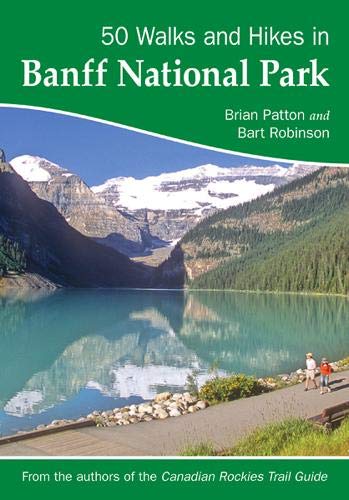
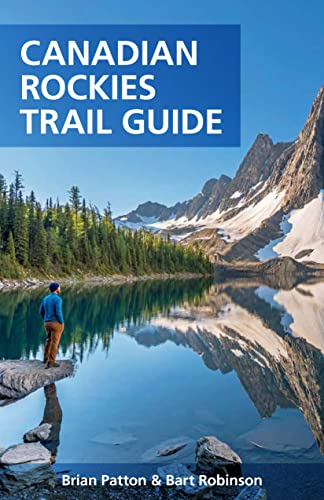
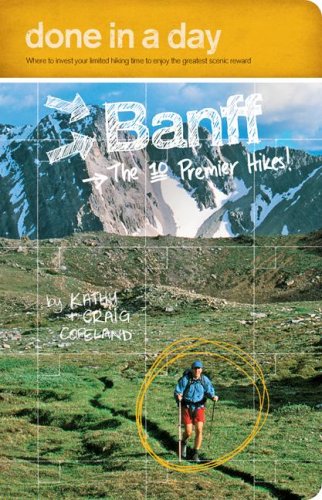
As an Amazon Associate I earn from qualifying purchases.
Getting There and Getting Around
Driving from Calgary: Highway 1 (the Trans-Canada) runs straight from Calgary to Banff, about 130 km and 90 minutes in good conditions. You do not need a park pass to drive through the park, but the moment you stop anywhere in it, everyone in the vehicle needs one (see the park pass section below). The park gates east of Banff town sell passes, as do Parks Canada visitor centres. Starting from Calgary itself? Our guide to getting from Calgary to Banff compares the drive against every bus and shuttle, with current prices.
From Calgary International Airport (YYC):
- Banff Airporter: scheduled shuttle between YYC and Banff hotels, year-round, multiple departures daily
- Brewster Express (Pursuit): airport and downtown Calgary to Canmore, Banff and Lake Louise, year-round
- On-It regional buses from Calgary ran in past summers, but the service did not operate in 2026. Do not plan around it without checking first
- Rental cars at YYC work well, but in summer you are competing for the same small parking lots as everyone else, and in winter you will want winter tires (see the winter guide for driving rules)
By train: there is no regular passenger train to Banff. The luxury Rocky Mountaineer stops in Banff and Lake Louise in the warmer months as part of its Rockies routes.
Getting around without a car: Banff is one of the few national park towns where you genuinely do not need one in summer.
- Roam Transit runs the local buses: Route 1 (Sulphur Mountain, for the gondola and hot springs), Route 2 (Tunnel Mountain hotels and Bow Falls), Route 3 (Canmore regional), Route 6 (Lake Minnewanka, summer), Route 8X (Lake Louise Express, daily year-round) and Route 9 (Johnston Canyon, daily in summer)
- The Parks Canada shuttle system covers Lake Louise and Moraine Lake from the Lake Louise Park and Ride in the May to October season (full details in the Moraine Lake section)
- Downtown Banff is small and walkable. Most hotels are within a 15 minute walk of Banff Avenue
- Bikes and e-bikes rent from several shops in town, and the Legacy Trail path runs 26 km from Banff to Canmore
Parking in town: downtown paid parking is limited and time restricted. The free Banff Train Station lot has about 500 stalls, up to 9 hours, an 8 to 10 minute walk from downtown, and it is the smart move in summer. Full rules are on the Town of Banff parking page.
Before You Go: Park Pass and Basics
Park pass: everyone stopping in Banff National Park needs a Parks Canada pass, checked at highway gates and by plate patrols in parking lots.
- Parks Canada passes: Daily pass Adult $12.25, Senior $10.75, Youth 17 and under free, Family/Group $24.50 (up to 7 people in one vehicle). A daily pass bought today is valid until 4 PM tomorrow
- Discovery Pass (annual, all national parks): Adult $83.50, Senior $71.50, Family $167.50. Worth it at about 7 or more park days in a year
- Buy at the park gates, Parks Canada visitor centres, or online ahead of time. A pass does not reserve anything else: shuttles, campsites and parking are separate
Book ahead: Banff rewards planners. In summer, reserve hotels, the Moraine Lake shuttle, campsites and popular restaurant tables early. September larch weekends and the Christmas to New Year period book out the same way.
Wildlife rules, all year:
- Stay 30 m (3 bus lengths) from elk, deer, moose and bighorn sheep, and 100 m (10 bus lengths) from bears, wolves, coyotes and cougars. Use binoculars or a zoom lens, not your feet
- Carry bear spray on hikes, where you can reach it, and make noise on trails. Parks Canada tells every hiker to do this
- Elk calving runs May to June and cow elk defend calves aggressively, sometimes closing trails near town. The rut in September and October makes bulls aggressive. Give elk extra room in both seasons
- Feeding, enticing or approaching wildlife is illegal, with fines up to $25,000 under the Canada National Parks Act. Report bear, cougar, wolf or coyote encounters to Banff Dispatch at 403-762-1470
Altitude and weather: Banff town sits at about 1,400 m and trailheads go much higher, so take the first day easier than you planned and drink water. Summer highs in town average about 22 C in July, but mornings are cold and storms build fast in the afternoon.
Wildlife and Bear Safety
Banff’s animals are wild, and the park’s safe viewing distances are law, not suggestions: stay at least 30 m (three bus lengths) from deer, elk, moose and sheep, and at least 100 m (ten bus lengths) from bears, wolves, cougars and coyotes. If an animal changes what it is doing because of you, you are too close. It is illegal to feed, entice or disturb any wildlife in a national park, and fines run up to $25,000. Report problem wildlife to Banff Park Dispatch at 403-762-1470, any time of day. Parks Canada’s own pages are the best short read before you go: wildlife safety in Banff and how to watch wildlife safely.

Bounding through the snow.
If you meet wildlife on foot
- Elk: never approach one, in any season. Parks Canada is blunt about it: elk are dangerous, unpredictable, and can attack without warning. Warning signs include an alert posture, grinding teeth and flattened ears. Never step between a cow and her calf, or between a bull and his herd. If an elk charges, get behind a tree or a vehicle, raise your arms to look big, keep eye contact and move away. Do not play dead with an elk.
- Cougars: encounters are rare, and cougars are most active at dawn and dusk. Face the animal, pick up small children, look big, and back away slowly. Never run and never play dead. If it approaches, shout, wave a stick and throw rocks: convince it you are not prey.
- Wolves and coyotes: if one approaches you, do the same: stand your ground, yell, stomp, throw something, and use bear spray if you have it. Never run.
- Moose, deer and sheep: give them the full 30 m and back away quietly. A cow moose with a spring calf is one of the most dangerous animals in the park, and even the townsite deer deserve space.
- On the road: slow down, stay in your vehicle, and move on. If you do stop, pull fully off the road, put your hazard lights on, take a quick photo from inside the car, and keep moving. If a wildlife jam forms, drive on: stopped cars put people and animals at risk.
Bears: not meeting one in the first place
- Make noise. Call out, clap and talk loudly near streams, in thick brush, around berry patches and on windy days, so a bear hears you coming. Parks Canada points out that bear bells are not effective.
- Watch for fresh sign (tracks, droppings, diggings, torn logs) and leave the area if you find it. Stick to official trails, travel in daylight, and be most careful at dawn and dusk, when bears are most active. If you find a large dead animal, leave at once and report it: a bear may be guarding it nearby.
- Hike in a tight group of four or more when you can. On the Lake Minnewanka trail system it is the law from July 10 to September 15: groups of at least four, everyone carrying bear spray, no bikes or dogs past Stewart Canyon Bridge, with fines up to $25,000 for breaking the rule. Other trails, including Larch Valley above Moraine Lake, get the same requirement whenever grizzlies are feeding nearby, so check the trail report before you go.
- Food and garbage are the real problem. Never leave food, coolers, pet food, dishes or scented items (even toothpaste and sunscreen) unattended. Campers follow the bare campsite rule: attractants live in a hard-sided vehicle or a campground food locker whenever they are not in your hands.
- Dogs: keep them on a leash of 3 m or less at all times. Parks Canada recommends leaving dogs at home for backcountry trips: an off-leash dog can run into a bear and bring it back to you.
If you meet a bear
Stop, stay calm, get your bear spray ready, and do not run: running can trigger a chase. If the bear has not noticed you, leave quietly the way you came. If it has, talk to it in a calm, firm voice, make yourself look big, pick up children, and back away slowly without turning your back. Do not drop your pack.
What happens next depends on the bear’s behaviour, not its species. A surprised or defensive bear (huffing, jaw popping, protecting cubs or a carcass) wants you gone: keep talking calmly, stand your ground if it bluffs, and use bear spray if it charges into range. If a defensive bear makes contact, play dead: stomach down, legs apart, hands clasped behind your neck, and stay still until the bear has left the area. Most defensive attacks end within two minutes. If the attack continues, it has turned predatory: fight back. A predatory bear (quiet, intent, head and ears up, following you, or attacking at night) is hunting: do not play dead. Shout, act aggressive, use your spray, escape to a car or building if you can, and if it makes contact, fight back with everything you have.
Which bear is it?
Colour will not tell you: black bears can be brown or blond, and grizzlies can be nearly black. Look for a shoulder hump, a dished (concave) face, short round ears and long curved front claws on a grizzly, versus a straight profile, taller pointed ears, no hump and shorter claws on a black bear. Parks Canada counts about 65 grizzly bears and 20 to 40 black bears in Banff National Park.
Attacks are rare, but they are not zero, and the pattern is consistent: surprise encounters with a feeding bear or a mother with cubs. Parks Canada recorded three non-fatal grizzly contact encounters in Banff in the decade up to 2023, all surprise encounters, and five attacks in 1998 to 2005 around Allenby Pass and Aylmer Pass, again hikers who surprised females with cubs during berry season. On September 29, 2023, a grizzly killed Doug Inglis and Jenny Gusse of Lethbridge and their dog in the Red Deer River valley, in the park’s remote northeast. It was the first grizzly-caused death in Banff National Park in decades. The couple were experienced, their food was properly hung, and bear spray was found at the scene with one can emptied: good habits lower the risk a lot, and nothing removes it entirely. That is the honest frame for every hike here.
Bear spray: carry it, know how, and where to get it
Bear spray works, and Parks Canada expects hikers to carry it where bears are active. Carry it on your hip or chest strap where you can reach it in a second, not buried in your pack. Know how to pull the safety clip, aim slightly downward into the bear’s face, and spray in short bursts when it is within about 10 m: the cone pattern does the rest. Wind, rain, freezing temperatures and an expired canister all reduce it, so check the expiry date. A few rules surprise visitors: you must be 18 or older to buy it, with photo ID and a signed purchaser form; canisters are 500 mL or smaller and must be labelled for use against animals; and bear spray cannot fly, in carry-on or checked bags, so buy or rent it after you arrive and do not try to take a canister home on the plane.
Where to buy it:
- Calgary: MEC Calgary (830 10 Ave SW) stocks several brands, with 225 g canisters from about $60, and Canadian Tire sells a 225 g SABRE canister for about $70, in store only
- Canmore: Valhalla Pure Outfitters (726 8 St) sells bear spray (note: it is a final sale there, no returns)
- Banff: Monod Sports (129 Banff Ave) sells bear spray, pickup in store
- Lake Louise: Wilson Mountain Sports sells and rents it
Where to rent it (renting makes sense: you cannot fly your canister home):
- Canmore: Gear Up Sports (1302 Bow Valley Trail) rents bear spray, and Rent a Backpack ($10 for the first day, $5 per extra day, $35 a week)
- Banff: Snowtips-Bactrax (225 Bear St, about $10 a day), the SkiBig3 Adventure Hub (114 Banff Ave), Ultimate Sports (206 Banff Ave, rents and sells), and RentBearSpray.ca at the Banff Train Station (327 Railway Ave, seasonal, $10 a day for the first five days, photo ID and a deposit required)
Reliable bear safety reading, before you need it: Parks Canada’s Safe travel in bear country, its guide to telling black bears and grizzlies apart, and the Banff safety and guidelines page. Spend ten minutes on those three pages and you will know more than most people on the trail.
No Cell Service? Carry a Satellite Communicator

Most of Banff’s trails have no cell coverage at all. A satellite communicator sends texts and your location through the Iridium network from anywhere, and its SOS button alerts a 24/7 monitoring centre that dispatches rescuers. In the 2023 Banff attack above, the message that brought wardens to the scene came from a device like this one. The inReach Mini 2 is the small one most hikers carry; a paid subscription plan is required to use it. The Canadian-made ZOLEO communicator does the same job and is worth comparing.
As an Amazon Associate I earn from qualifying purchases.
Be a Responsible Visitor
This is not a zoo. Banff’s animals are wild, they are not tame, they are not posing, and the park is their home rather than a backdrop. Every summer, visitors crowd bears at the roadside, walk up to bull elk for selfies, let dogs run off leash on hiking trails, fly drones over the lakes and leave food and garbage where animals will find it. Parks Canada’s own records from a single July 2025 bear jam on the Bow Valley Parkway counted 1,422 vehicles and 84 people standing outside their cars around one grizzly, and a warden described public non-compliance as being at an all-time high. The consequences are real money and real danger: a $1,500 fine after a couple’s off-leash dog charged a grizzly on the Taylor Lake trail in 2026, a $2,000 penalty for flying a drone at Lake Louise, fines for food and garbage left out at Cascade Ponds and Johnston Canyon, and a maximum of $25,000 under the Canada National Parks Act for feeding or approaching wildlife. The rules below are how you avoid being a story like that, and how the animals stay alive: a bear that learns to associate people with food usually ends up dead.
The rules that matter most
- Keep your distance: 30 m from deer, elk, moose and sheep, 100 m from bears, wolves, cougars and coyotes. Use a zoom lens, not your feet, for the photo.
- Never feed any animal, including chipmunks, ravens and ground squirrels. Fed animals become aggressive animals, and aggressive animals get destroyed.
- Obey every sign, closure and alert, even when the closed trail looks fine and nobody is watching. Closures protect nesting birds, feeding bears and you. Check Parks Canada’s bulletins and closures before you head out.
- Stay on the trail. Off-trail use is prohibited outright at Johnston Canyon (it protects nesting black swifts, penalty up to $25,000), and shortcutting switchbacks anywhere erodes alpine plants that take decades to grow back.
- Pack out everything, including food scraps, fruit peels and tissue. If there is no bin, it goes home with you. Campers: the bare campsite rule applies at all times, not just overnight.
- Leave the drone at home: recreational drones are prohibited in all national parks without a permit.
- Dogs stay leashed (3 m or less), under control, and are never left unattended at a campsite, picnic area or in a vehicle.
- Leave nature where it is: antlers, rocks, wildflowers and fossils stay in the park. Take the photo, leave the thing.
When animals are at their most dangerous
- Elk calving, mid-May to early July: cow elk hide newborn calves in townsite grass, golf courses and trail edges, and they attack people and dogs that wander close, sometimes without any warning sign at all. Give every elk a wide berth and keep dogs away.
- Elk rut, mid-September to the end of October: bull elk are aggressive, unpredictable and focused on their harems. Never get between a bull and the females, and expect road closures and removed playground swings in town while it runs.
- Bears in spring, late March to mid-May: bears leave their dens hungry and short of food, often with cubs born over the winter, and they feed in the same valley bottoms where the trails are. Surprise encounters peak now.
- Berry season, mid-July to September: buffaloberries ripen and grizzlies feed on them for hours a day, eating up to 250,000 berries daily, heads down and easily surprised. This is when group-of-four rules appear on popular trails and when most serious encounters in the park’s history have happened.
- Moose calving, mid-May to the end of June: cow moose are quietly one of the most dangerous animals in the park while their calves are small.
Moraine Lake and Lake Louise
The two lakes are about 15 minutes apart by road, and they are the most managed visitor experience in the park. Here is how each one works.
Moraine Lake: you cannot drive there. Moraine Lake Road is closed to personal vehicles year-round. Access is by Parks Canada shuttle, licensed tour operators, or as a guest of Moraine Lake Lodge.
- The Parks Canada shuttle ran June 1 to October 12 in 2026 (Lake Louise Lakeshore shuttles started earlier, May 15). Reservations are mandatory for every seat
- Booking opens in spring (April 15 for 2026). About 40 percent of seats are released at launch and the rest at 8 AM MDT two days before departure, so a sold out date is worth rechecking
- 2026 fares: Adult $12.75, Senior $6.00, Youth $4.00, plus a reservation fee ($3.50 online, $5.50 by phone). Book through the Parks Canada Reservation Service or 1-877-737-3783
- Shuttles leave the Lake Louise Park and Ride (at the ski resort, free all day parking for reservation holders) every 30 minutes, 6:30 AM to 5 PM, with the last return at 7:30 PM. Sunrise Alpine Start departures leave at 4 AM and 5 AM in season
- Roam Reservable Super Pass holders also get access to the Lake Connector shuttle between the two lakes in season
- Cycling the road is allowed (about 14 km one way, 527 m of climbing, no shoulders, steady tour traffic in summer). Ride early or late in the day
- Moraine Lake in winter: the road closes to all motor vehicles when the shuttle season ends in mid-October (the 2026 season ran June 1 to October 12), and personal vehicles are banned year-round anyway. People are allowed up the road under their own power in winter, though: Parks Canada tracksets it for cross-country skiing, and it is also used for fat biking, snowshoeing and walking (no dogs). The trackset part runs 8.9 km to a viewpoint over Consolation Valley and the Ten Peaks. The lake itself is a different matter. Parks Canada says it is inaccessible in winter because of the avalanche hazard, and anything past the viewpoint crosses avalanche paths and calls for avalanche training and gear. It is legal, it is not a casual walk, and it is not recommended for most visitors. Summer flips the advice: walking up the road then is not recommended (narrow road, no pathway, steady bus traffic), while cycling it is a popular ride for experienced riders. Winter details are in the Banff winter guide
Lake Louise: open all year, planned in summer. The lake, the Chateau and the trailheads sit about 60 km west of Banff town.
- Lakeshore parking cost $42 per vehicle per day in 2026, May 15 to October 12. The lot fills by sunrise on summer days, there is no waiting for stalls, and RVs and oversized vehicles are not allowed. Outside that season there is no lakeshore parking fee
- The calmer options: the Parks Canada Lakeshore shuttle from the Park and Ride (May 15 to October 12) or Roam Route 8X from Banff, which runs daily all year
- The flat lakeshore trail runs 2 km one way to the far end of the lake. The famous hikes (Lake Agnes, Plain of Six Glaciers) start from its far end, see the hiking section
- Canoes rent from the Fairmont Chateau Lake Louise boathouse in summer, roughly June to late September, weather permitting, first come first served
- In winter the lake becomes a maintained skating rink and the parking fee disappears. Details are in the Banff winter guide
Things to Do in and Around Banff Town

Banff Avenue today, with a photo of Banff in its earliest days laid over it. The dirt road and Cascade Mountain line up.

Banff Avenue, aimed straight at Cascade Mountain.
You do not need to leave town to fill a day. The headline sights:
- Banff Gondola (Pursuit): an 8 minute ride up Sulphur Mountain to a summit building with boardwalks, a restaurant and the Cosmic Ray Station. Open year-round except a short November maintenance closure, longest hours in summer (about 8 AM to 10 PM at peak). Roam Route 1 or a 15 minute walk past the hot springs
- Banff Upper Hot Springs (Parks Canada): the outdoor mineral pool on Sulphur Mountain, 37 to 40 C. First come, first served only, no advance tickets. Posted hours are daily 10 AM to 10 PM, last entry 9:30 PM, with an annual maintenance closure in the fall
- Cave and Basin National Historic Site: the birthplace of Canada’s national parks, a cave with a natural hot spring inside, boardwalks over the marsh, and exhibits. In summer (mid-May to mid-October) open daily 9:30 AM to 5 PM; winter hours are shorter, Thursday to Monday
- The Whyte (formerly the Whyte Museum), 111 Bear Street: art, archives and mountain culture, a few minutes from Banff Avenue. Open daily 10 AM to 5 PM
- Banff Park Museum, 91 Banff Avenue: a 1903 log building full of historic wildlife specimens. Open in the warm season only, mid-May to mid-October, Thursday to Monday 9:30 AM to 5 PM, and closed all winter
- Fairmont Banff Springs and Bow Falls: walk or take Roam Route 2 to the 1888 castle hotel, then follow the short riverside path to Bow Falls, where the Bow River drops just below the hotel. Both are free to look at and open all year
- Banff Canoe Club: canoe and kayak rentals on the Bow River at Wolf Street and Bow Avenue, in the warm months, first come first served (canoes and kayaks $70 for the first hour when last checked). Paddle up the river or into Vermilion Lakes
- Lake Minnewanka: the park’s biggest lake, a 10 minute drive or Roam Route 6 bus from town, summer only. The Pursuit boat cruise runs May to October, there are boat rentals and lakeside trails, and as of 2026 personal watercraft like canoes and SUPs are no longer allowed on the lake
- Lake Louise Summer Gondola: at the ski resort, June 5 to October 11 in 2026, marketed as one of the best places in the park to watch grizzly bears from a lift. The Mt Norquay sightseeing chair and Via Ferrata run in summer too, and Sunshine runs its gondola and Standish chair for alpine meadow walks in July to mid-September
- Evenings: a fondue at the Grizzly House (open since 1967, phones at every table), a movie at Lux Cinema, or live music and shows at Banff Centre up on Tunnel Mountain
- Last Temptation Vintage, 229 Bear Street: Banff’s vintage shop, a hand-picked collection of vintage clothing, decor and odd finds at below-market prices. It started in 2008 because Banff had no affordable clothing options, and it is still the place locals check first for second-hand winter gear, vintage denim and costumes. Open daily 9:30 AM to 8 PM

Racks of vintage clothing.

The purple couch corner.

By the entrance.

The sports section.

Books, and a very large AT-AT keeping watch.

The dress racks.

Trading cards in the case.

Seasonal staff.

Teas from Jolene’s Tea House on Bear Street.

The Eddie Double Mac at The Eddie Burger + Bar: two 4oz patties, bacon, cheddar, pickles, diced onions, lettuce and Eddie sauce on a three-layer toasted bun.
Just wander. Some of the best of Banff costs nothing and needs no booking: walk Banff Avenue end to end (the street was laid out so Cascade Mountain sits framed at the end of it), get a coffee and people-watch, cross the Bow River pedestrian bridge into Central Park, and follow the river paths toward Bow Falls. Photograph the river, the bridge and the mountains at either end of the day, and watch the golf course fairways and the townsite meadows at dawn and dusk for elk and deer, from a proper distance. Banff rewards slow looking more than it rewards itineraries.

The Bow River, running through town.
One building worth walking to is the stone landmark at the south end of Banff Avenue, standing in the middle of the Cascades of Time Garden. The Banff National Park Administration Building, at 101 Mountain Avenue, was built in 1935 and 1936 as a Depression-era federal work relief project. Its architect, Harold C. Beckett, designed it in a Tudor Revival style using rubble limestone and cedar shingles, and he designed the gardens around it and the park entrance gates as well. It is a working Parks Canada office, not a museum, but it has anchored the end of Banff Avenue for 90 years and has been a Recognized Federal Heritage Building since 1986.

The Administration Building, built in 1935 and 1936, with Cascade Mountain behind it.
The stone building replaced a famous one. Dr. R. G. Brett, a Canadian Pacific Railway surgeon, built his Sanitarium Hotel on this site in 1886 and piped hot spring water more than 2.4 km down the mountain from the Upper Hot Springs to its baths. It was a hotel and a hospital in one, and invalids came by train from across North America hoping the water would cure them: the sanitarium took in about 2,200 guests a year before 1900. Period promotion credited the sulphur waters with treating skin diseases, gout, chronic rheumatism, syphilis, stiff joints, and even gunshot wounds and mercury poisoning, and patients soaked in the water and drank it. The hotel bottled spring water and sold it as a tonic. Parks Canada tells the sanitarium story in the first chapter of its official history of the national parks.
The hospital part closed in 1909 when the Brett Hospital opened nearby. The hotel, renamed Bretton Hall, burned down in 1933, and the Administration Building was built on the cleared site. Brett himself is buried across town in the Old Banff Cemetery at the foot of Tunnel Mountain, in a 12 foot stone mausoleum built in 1914. That cemetery opened in 1890, was extended twice in the 1930s as it filled, and closed to new burials in the mid 1940s.
Best photo stops in and around town
- Vermilion Lakes: the docks along Vermilion Lakes Drive at sunrise, Mt Rundle reflected in still water. Roadside, minutes from town
- Surprise Corner: the viewing platform above the Bow River with Bow Falls in the foreground and the Banff Springs Hotel behind it. The classic postcard shot
- Bow Falls: the wide falls on the river below the hotel, from the riverside viewpoint. Short, easy, paved walk
- Banff Avenue: stand in the middle of the town’s main street (at a crosswalk) for Cascade Mountain centred at the end of the avenue
- Central Park and the pedestrian bridge: river, lawns and Cascade Mountain one way, Mt Rundle the other
- The Green Spot: the drive-up viewpoint on the Mt Norquay access road, looking down over the townsite, the river and Vermilion Lakes
- Tunnel Mountain summit: a 2.4 km climb to the top for the whole town, the Bow Valley and Mt Rundle in one frame
- Hoodoos viewpoint: the spires on Tunnel Mountain Road with the Bow River below, roadside with accessible parking
- Cascade Ponds and Two Jack Lake: calm water and mountain backdrops on the Minnewanka Loop, both good at golden hour, Two Jack is also a favourite night-sky stop
- Lake Minnewanka: the park’s biggest lake from the day-use shoreline
- The Banff sign: the town’s entrance sign, moved in 2025 to a terrace at the Banff Train Station, with the heritage station and Mt Norquay behind it
- Fairview Lookout (Lake Louise) and the Moraine Lake Rockpile: the two famous lake views, both short hikes. The Rockpile shot is the most famous view in the park, and the lake is shuttle-only in season
Hiking in Banff
Every hiker in Banff should carry bear spray, make noise, and check the Parks Canada trail report before going. Distances below are one way, from Parks Canada. The classics, easiest first:
- Johnson Lake loop: 2.8 km loop, minimal climbing, about 1 hour. A pretty forest and lake walk near town, Roam Route 6 in summer, also a local swimming and picnic spot
- Tunnel Mountain summit: 2.4 km, 260 m of climbing, about 2 hours return. The trailhead on St. Julien Road is a 15 minute walk from downtown, and the summit looks straight down Banff Avenue
- Johnston Canyon: catwalks bolted to the canyon walls. Lower Falls 1.2 km (about 1 hour return), Upper Falls 2.5 km (about 2 hours return), and the Ink Pots springs at 5.7 km (about 4 hours return). Roam Route 9 runs here daily in summer. Parking fills very early, and the canyon closes periodically for rock slope safety work, so check bulletins (it is closed for that work until December 2026)
- Lake Agnes and the teahouse: 3.4 km, 385 m of climbing from the Lake Louise lakeshore. The Lake Agnes Tea House serves tea and baking from early June to early October, 8 AM to 4 PM, first come first served, everything made by hand with no electricity
- Plain of Six Glaciers: 5.3 km, 365 m of climbing from the lakeshore to a second teahouse and glacier views, with a viewpoint about 1.6 km beyond. The teahouse runs roughly late June to early October
- Larch Valley: about 4.5 km and 570 m of climbing above Moraine Lake. Come mid-September to early October, when the larches turn gold, it is the most famous fall hike in the park. Access is by shuttle only (book ahead), September weekends are among the busiest of the year, and Parks Canada sometimes requires hikers to travel in tight groups of four when grizzlies are active
Shoulder season warning: avalanche season runs November to June, and spring trails stay icy and snowy at elevation long after the townsite thaws. Winter walking and snowshoe options are covered in the Banff winter guide.
Trail reports and hiking communities
Check conditions before every hike on Parks Canada’s Banff trail conditions page, which lists closures, wildlife warnings and bear activity trail by trail. For route maps, recent trip reports and photos, AllTrails lists more than 500 trails in the park.
Want to ask people who hike here every week? Drop into r/HikingAlberta on Reddit (about 42,000 members), where Albertans swap route advice, conditions reports and gear talk. The Alberta Hiking Association is the province’s umbrella organization for more than 20 hiking clubs: it advocates for trails and hikers, organizes trail maintenance, and offers safety training and a quarterly newsletter. Its Facebook group is an open forum where members post trip reports, photos and current trail conditions, and it is a friendly place to ask a first-timer question.
Moraine Lake Art
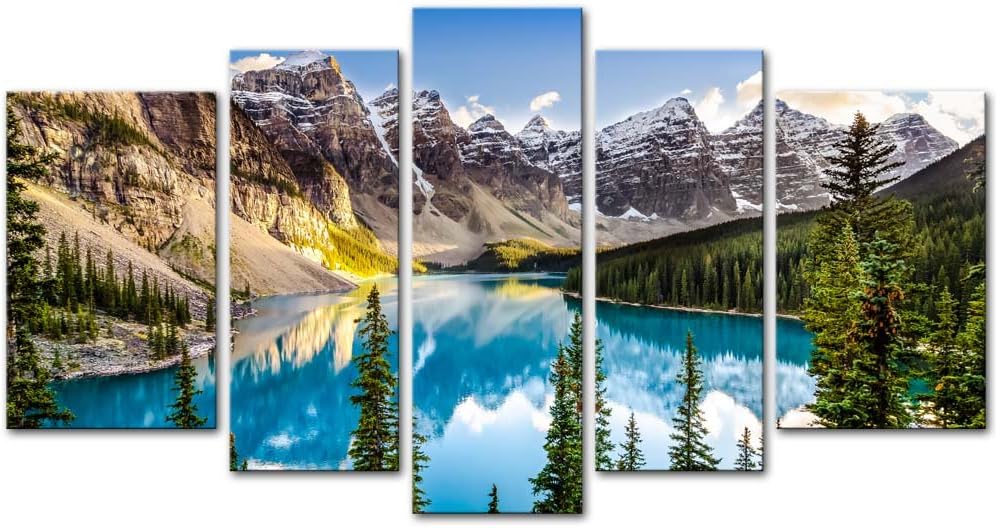
As an Amazon Associate I earn from qualifying purchases.
Banff Through the Seasons
Spring (April to May): the quiet season. Ski hills close one by one (Sunshine usually runs to late May), waterfalls run hard with meltwater, and valley trails clear while higher trails stay snowy. The lakes are still frozen or just opening, and Moraine Lake access has not started. Hotel rates are at their friendliest.
Summer (June to August): the full park. July averages highs of about 22 C in town with 16 plus hours of daylight in June, every shuttle, cruise and teahouse is running, and the lakes hit their famous blue. It is also the busiest and priciest season: book the Moraine Lake shuttle, campsites and hotels well ahead, and start hikes early to beat both crowds and afternoon thunderstorms.
Fall (September to October): larch season, then quiet. The larches turn gold from mid-September to early October, elk are in rut (give bulls a wide berth), and crowds thin out after Thanksgiving. Shuttles run to October 12, campgrounds close one by one, and snow can arrive at elevation any time.
Winter (November to March): a different park: three ski resorts, skating on Lake Louise, frozen waterfalls, hot springs in the snow and the darkest, coldest nights of the year. It deserves its own planning, and it has its own guide: Banff in Winter: Everything You Need to Know covers park passes, winter tires, what stays open, skiing, and everything there is to do if you do not ski.
Where to Stay and Camping
Hotels: most visitors stay in the Town of Banff, where hotels line Banff Avenue and Tunnel Mountain Road and everything is walkable or one Roam stop away. The Fairmont Banff Springs sits by itself above Bow Falls. Lake Louise has a small village of hotels plus the Fairmont Chateau right on the lake: better for early trailheads, quieter at night, fewer restaurants. Canmore, 20 minutes east, sits just outside the park gates with more condo style stays and lower prices, and you still need a park pass for every trip into the park.

The Fairmont Banff Springs at night.
The hotel is a small food village of its own, and you do not need to be a guest to eat there. Grapes, its charcuterie bar, builds boards of cured meats and farmhouse cheeses, and the Bow Valley Grill buffet is worth a reservation too.

The hotel’s entrance sign.

A board at Grapes.

Cheeses at Grapes.
Camping (Parks Canada): Banff’s campgrounds are reservable and summer weekends sell out. 2026 reservations opened February 12, 2026, and a reservation is the safe plan for all of these:
- Tunnel Mountain Village I: the big campground above town, unserviced sites, mid-May to early October. Village II next door is open year-round with electrical sites, and Tunnel Mountain Trailer Court has full hookups, early May to early October
- Two Jack Lakeside and Two Jack Main: on the Lake Minnewanka road, late May to early October for Lakeside, mid-June to September 1 for Main
- Johnston Canyon campground: in the trees near the canyon, late May to late September
- Lake Louise campgrounds: the hard-sided campground (RVs) is open year-round with electrical sites, and the soft-sided tenting campground runs late May to late September behind a wildlife fence
- Smaller highway campgrounds like Mosquito Creek and Waterfowl Lakes on the Icefields Parkway are first come, first served. Castle Mountain campground is closed until further notice in 2026
- The only year-round options are Tunnel Mountain Village II and Lake Louise Hard-Sided, which is why they anchor the winter guide’s camping advice too
Festivals and Events Through the Year
- Banff Centre Summer Arts Festival, May to September. Over 100 free and ticketed concerts, films, talks and performances at Banff Centre
- Banff Half Marathon and 10K, mid-June (June 14, 2026). A run through the park finishing in Central Park. Despite the old name, there is no full marathon anymore
- Canada Day, July 1. Downtown celebrations and a parade in Banff, with road closures and bus detours for the day
- Banff Farmers Market, Wednesdays 10 AM to 6 PM in Central Park, roughly late May to early October, rain or shine
- Melissa’s Road Race, late September (September 26, 2026). 5K, 10K and half marathon distances, running since 1979, and it sells out
- Winter has its own festival calendar (SnowDays, Ice Magic, the Christmas Market and more), listed in full in the Banff winter guide
Dates move a little every year. Confirm on the organizer’s site before you build a trip around one.
Sample Itineraries
Pick the plan that fits your trip. Every one of these assumes a park pass and a start in Banff town.
Choose your itinerary:
- Low mobility: Banff without the climbs
- Never leave the car: the scenic drives
- The classic photo day
- Banff with kids
- The hot springs day
- Foodie day, and a Banff Avenue crawl
- Banff with your dog
- The waterfall chaser
- Famous landmarks in a day
- The historian’s walk: statues, plaques and museums
- Pride in the Rockies
- Rainy day Banff
- Banff on a budget
Low mobility: Banff without the climbs
- Roam Transit everywhere: every Roam bus is fully accessible, with ramps and kneeling suspension, so the whole town and the Lake Louise and Canmore runs are realistic without a car
- Banff Gondola: cabins detach to load and fit most wheelchairs (maximum 31 by 41 inches), there is accessible parking within 30 m, and an elevator serves all four levels of the summit building. One honest limit: the summit boardwalk to the Cosmic Ray Station is 368 stairs each way and is not wheelchair accessible, so enjoy the building, the exhibits and the rooftop deck instead
- Cave and Basin: the upper and lower boardwalks are short with minimal climbing, on a surface suited to all-terrain wheelchairs, with an accessible washroom
- Bow Falls and the river paths: paved paths and accessible parking, with minimal elevation change to the falls viewpoint
- Banff Park Museum (in season) for the ground-floor specimens, then finish with a soak: Upper Hot Springs has a ramped entrance, an elevator, accessible change rooms, a ramped pool entry and an aquatic wheelchair at the front desk
Never leave the car: the scenic drives
- Vermilion Lakes Drive (4.3 km): docks and benches along the lakeshore under Mt Rundle, best at sunrise (see the route on Google Maps)
- Tunnel Mountain Drive: pull-offs to the Hoodoos viewpoint (paved, with accessible stalls) and down to Surprise Corner for the falls and the hotel (see the route on Google Maps)
- Lake Minnewanka Loop: Cascade Ponds for a picnic, Two Jack Lake, the Johnson Lake day-use area, and the Lake Minnewanka shoreline, all from pull-offs and parking lots (see the route on Google Maps)
- Mt Norquay Road: a short climb to the Green Spot viewpoint over the townsite (see the route on Google Maps)
- Bow Valley Parkway (Highway 1A): 48 km of slow road to Lake Louise with pull-offs the whole way (see the route on Google Maps). Two restrictions to know: the eastern 17 km is closed to vehicles for a cycling season in spring and fall (Johnston Canyon stays reachable via Castle Junction), and the same stretch is closed to everyone from 8 PM to 8 AM, March 1 to June 25, for wildlife
The classic photo day
- Sunrise at the Vermilion Lakes docks for the Mt Rundle reflection
- Banff Avenue with Cascade Mountain, then coffee
- Surprise Corner for the falls and the castle hotel in one frame
- Shuttle to Moraine Lake for the Rockpile, then Lake Louise and the short climb to Fairview Lookout
- Golden hour at Two Jack Lake, and stay after dark on a clear night: both Two Jack and Lake Minnewanka are favourite aurora spots
Banff with kids
- Banff Park Museum (in season): 5,000 specimens, bears to bees, in one small downtown building a kid can actually finish
- Cave and Basin: pick up the free Xplorers Club booklet and let them earn the certificate
- Cascades of Time Garden: terraced gardens, bridges and ponds behind the Parks Canada administration building, free to wander
- Central Park: the playground (ages 5 to 12), picnic tables and the flat river path for burning off energy
- Fenland Trail: a flat 1.9 km loop along Forty Mile Creek, about 40 minutes at kid pace
- Finish at Upper Hot Springs: a contained warm pool, with towel and suit rentals at the desk
The hot springs day
- Go up Sulphur Mountain on Roam Route 1 in the late morning, before the afternoon lines: Upper Hot Springs is first come, first served, open 10 AM to 10 PM with last entry at 9:30 PM, and the water sits at 37 to 40 C. Note the annual fall maintenance closure, usually mid-October into early November
- Walk five minutes to Cave and Basin, the original hot springs site where Canada’s park system started in the 1880s. There is no swimming there (the springs are protected habitat for the Banff Springs snail), but the cave, the exhibits and the boardwalks are the story of the whole park
- Ride the Banff Gondola up the same mountain in the afternoon, or walk the Sulphur Mountain trails if the gondola line is long
- Soak again after dinner if you are staying nearby: an evening soak under the peaks is the best version of the pool, and the crowds thin out
Foodie day, and a Banff Avenue crawl
- Brunch: Three Bears Brewery and Restaurant on Bear Street, which brews its own beer in the room
- Afternoon: the free daily distillery tour and a tasting at Park Distillery on Banff Avenue, the only distillery inside a Canadian national park, then a pint upstairs at Banff Ave Brewing Co in the Clocktower mall
- Dinner, pick your lane: The Maple Leaf for Alberta beef and seafood, Shoku Izakaya for Japanese small plates, Nourish Bistro for the vegetarian institution on Bear Street, or tapas and cocktails at Block Kitchen and Bar
- The crawl (all within a few blocks, walk it): rooftop at the Elk and Oarsman, rooftop number two at Magpie and Stump, a proper local pint at Tommy’s Neighbourhood Pub, bowling and craft beer at High Rollers, live music at the Rose and Crown, and karaoke rooms at Hello Sunshine to close. Burgers at The Eddie Burger + Bar whenever the group needs ballast
Banff with your dog
- Dogs are welcome on most Banff trails, on a leash of 3 m or less and under control at all times, and never inside service buildings. On Parks Canada’s lake shuttles, only small dogs in a carrier on your lap; Roam buses take pets crated
- Town walks: the Fenland Trail and the Bow River paths, with the same leash rules and the same wildlife distances (keep the dog well back from elk, especially in calving season)
- Patios: Bear Street Tavern runs a dog-friendly patio with an actual dog menu, and Three Bears’ patio welcomes dogs too
- Off leash, honestly: Banff’s options are thin. The Sundance Park dog park by the recreation grounds closes every spring to dry out, and the Industrial District park on Hawk Avenue is winter-only. Canmore’s Quarry Lake has the big off-leash area locals actually use
- Never leave a dog unattended at a campsite or in a parked vehicle, and consider leaving the dog home for backcountry trips: an excited dog is how a lot of bear encounters start
The waterfall chaser
- Bow Falls: in town, a short walk, the warm-up act
- Johnston Canyon: Lower Falls at 1.2 km, Upper Falls at 2.5 km, and the Ink Pots meadow at 5.7 km if your legs agree. Go early or late in the day in summer. Note the main trail’s seasonal closure into December 2026 (the Moose Meadows route still reaches the Upper Falls): check the bulletin before you go
- Silverton Falls: a short 0.9 km hike off the Bow Valley Parkway, the one most people drive straight past
- Bow Glacier Falls: 4.4 km one way from Bow Lake on the Icefields Parkway, a proper half-day
- Parkway extension: the Weeping Wall viewpoint and Panther Falls, both short stops on the way to the Columbia Icefield
Famous landmarks in a day
- The Fairmont Banff Springs (1888, the castle in the Rockies) and Bow Falls below it
- Cave and Basin, the birthplace of Canada’s national parks, and the Banff Park Museum
- The Banff sign at its new home by the Train Station
- Roam 8X or the shuttle to Lake Louise and the Chateau, then Moraine Lake and the Rockpile in season
- Overachievers: the Columbia Icefield is about 2.5 hours north, a full extra day rather than a stop
The historian’s walk: statues, plaques and museums
- Banff Park Museum (1903): the oldest natural history museum in western Canada and the oldest surviving federal building in any Canadian national park, per Parks Canada
- Whyte Museum and the Luxton Home (206 Beaver Street, open early June to late September, by donation): the town’s art and its founding family’s house, kept as it was left
- Buffalo Nations Luxton Museum on Birch Avenue for Blackfoot Confederacy, Īyāhé Nakoda and Tsuut’ina history, then find the famous Banff Merman in its glass cabinet at the Banff Trading Post, the town’s strangest resident since about 1915
- Cave and Basin’s plaques: the 1883 discovery by railway workers, the 1885 reserve, and the first national park in 1887
- Ride or walk up to the Banff Springs Hotel and find the statue of William Cornelius Van Horne, the railway boss who sited the hotel, on the traffic island at its entrance
- Bankhead: finish with the interpretive loop through Lower Bankhead on the Minnewanka Loop, foundations and ruins of the coal town that heated Banff from 1903 to 1922
Pride in the Rockies
- Banff Pride runs 11 days each fall (October 2 to 12 in 2026): a flag raising and march on Banff Avenue, drag shows and brunch, a Pride market, comedy and burlesque, and Pride OUTdoors guided hikes, with most community events free. Dates and lineups live at banffpride.ca
- Year-round, Banff Pride runs monthly socials, drag and comedy nights and outdoor meetups, so there is usually something on even outside the festival
- There is no dedicated gay bar in Banff; Pride events are hosted across the town’s regular venues, and the whole townsite joins in during the festival
- Sister event: Jasper Pride and Ski Festival each April, the Rockies’ other big mountain Pride
Rainy day Banff
- The Whyte Museum (daily 10 AM to 5 PM) and the Buffalo Nations Luxton Museum (daily 10 AM to 6 PM), with the Banff Park Museum added in season
- Cave and Basin: the cave is underground and the exhibits are indoors; the rain is not your problem
- Upper Hot Springs in the rain is quietly the best way to do it: steam, wet peaks, smaller crowds
- Bowling and pizza at High Rollers, a film at Lux Cinema, and an evening concert or film at Banff Centre
Banff on a budget
- Beyond the park pass, the best of Banff is free: Bow Falls, Vermilion Lakes, Surprise Corner, the Cascades of Time Garden, the Fenland Trail, Central Park and every townsite walk on this page
- Picnic at Cascade Ponds or Johnson Lake instead of a patio lunch
- The Luxton Home is by donation in season, and Banff Centre runs free concerts, talks and gallery events through the year
- Camping beats hotels here by a wide margin if you can book a site, and shoulder season (May, late October) is when the town’s prices drop
Coming in winter instead? The winter guide has day plans built around skiing, skating and short daylight: Banff in Winter.
Where to Get More Help
- Banff and Lake Louise Tourism


 : the official visitor site, plus the Banff Visitor Centre at 224 Banff Avenue in person
- Parks Canada, Banff National Park
 : passes, trail conditions, campground reservations, bulletins and closures
- Roam Transit: routes, fares and live bus times
- 511 Alberta: highway conditions and cameras, essential for winter driving
- Avalanche Canada: the Banff, Yoho and Kootenay avalanche forecast, November to June
- Town of Banff: parking rules, local events and bylaws (including the need-to-reside rules behind the town’s small size)
- Banff Centre for Arts and Creativity: concerts, films, festivals and free events up on Tunnel Mountain
- Whyte Museum of the Canadian Rockies: exhibitions, archives and heritage homes at 111 Bear Street
- Alberta Parks: for Kananaskis Country, the provincial parks next door
- Banff in Winter: Everything You Need to Know: our companion guide for ski season, and r/Banff on Reddit, whose wiki and locals answer specific questions fast
Frequently Asked Questions
When is the best time to visit Banff?
How many days do I need in Banff?
Do I need a park pass for Banff?
Can I drive to Moraine Lake?
How do I visit Lake Louise without a car?
Do I need a car in Banff?
Where should I stay: Banff town, Lake Louise or Canmore?
What is Banff like in winter?
Will I see wildlife?
How expensive is Banff?
What should I pack for Banff?
Is there Uber in Banff?
When does Moraine Lake open and close?
How do I get from Calgary Airport to Banff?
Do I need reservations for the Lake Louise and Moraine Lake shuttles?
How much does the Banff Gondola cost, and is it worth it?
Can I bring my dog to Banff?
Where do I park at Lake Louise, and does the lot fill up?
Do I need bear spray in Banff?
How close can I get to wildlife in Banff?
Can I visit Lake Louise and Moraine Lake in one day?
Do I need reservations to camp in Banff, and when do bookings open?
Banff or Jasper: which should I visit?
Can you swim in Lake Louise and Moraine Lake?
Do I need to book Banff Upper Hot Springs in advance?
Can you drink the tap water in Banff?
Where is the Banff sign?
Where do I park for the Tunnel Mountain hike?
Can you visit the Fairmont Banff Springs without staying there?
Is Bow Falls an easy walk from downtown?
More Banff Guides
- Banff Travel Guide: Every Banff guide on this site in one place, from the drive out to the last soak.
- Getting From Calgary to Banff: Driving, buses and shuttles, how the park pass works, and stops worth making on the way.
- Banff in Winter: Winter driving, skiing, skating, frozen waterfalls and what stays open in the cold months.
- Banff Gondola: Tickets, parking, the summit building and the boardwalk to Sansons Peak.
- Banff Upper Hot Springs: Admission, hours and parking for the 1932 bathhouse and the outdoor hot pool on Sulphur Mountain.
- Dollarama in Banff: The cheapest store in Banff: snacks, drinks and travel basics at dollar store prices inside Cascade Shops, plus the pharmacy across the food court.